Why most Доставка свежих овощей и фруктов из теплицы projects fail (and how yours won't)
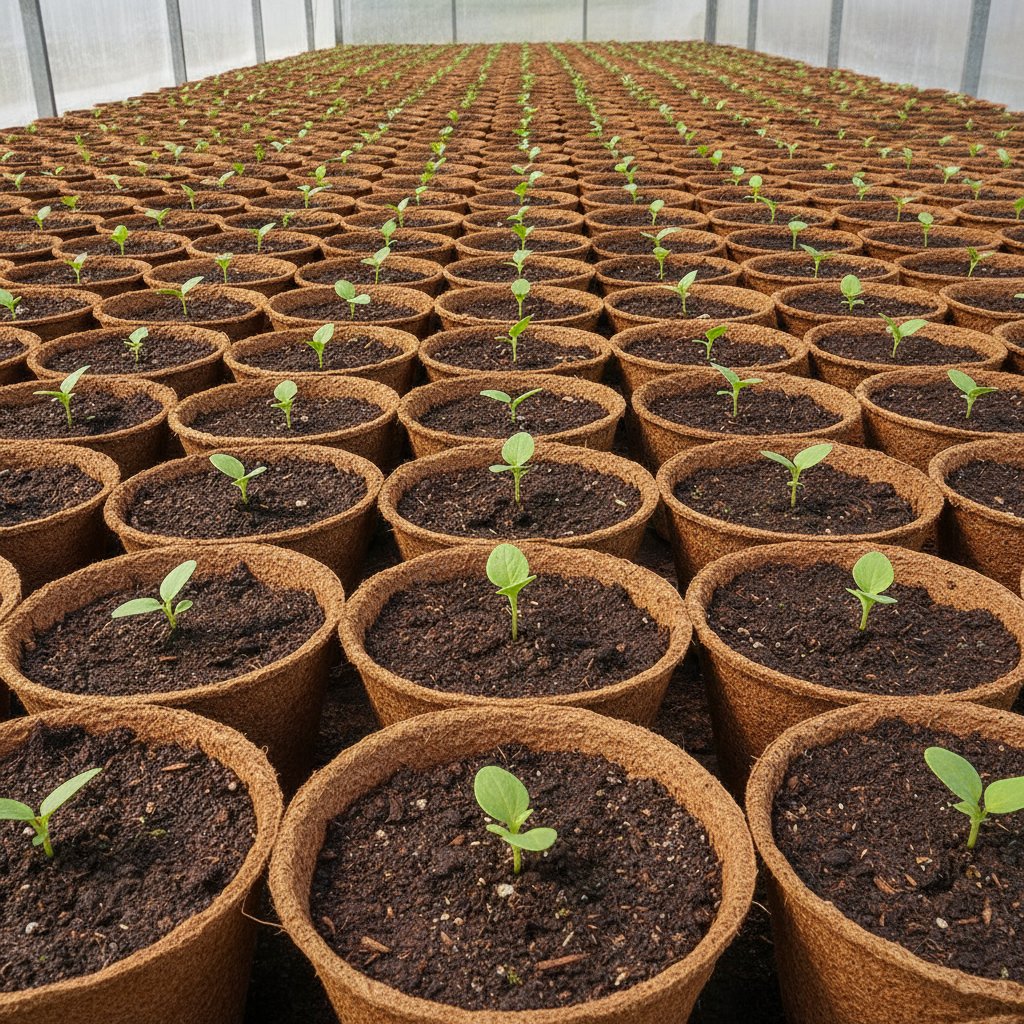
The $50,000 Greenhouse That Delivered Nothing
Last spring, Marina invested her savings into a beautiful 2,000 square foot greenhouse. She planted heirloom tomatoes, crisp cucumbers, and sweet bell peppers. Three months later, she had exactly seven paying customers and boxes of produce rotting in her barn.
She's not alone. Roughly 68% of fresh greenhouse delivery ventures collapse within their first eighteen months. I've watched dozens of growers make the same mistakes, burning through capital while their pristine vegetables go to waste.
The cruel irony? The produce was flawless. The business model was broken.
Why Greenhouse Delivery Projects Crash and Burn
Most growers think the hard part is cultivation. Wrong. Growing perfect tomatoes in a controlled environment is actually the easy part—temperature sensors and irrigation timers handle most of it.
The real killers are three operational nightmares that blindside even experienced farmers:
The Delivery Death Spiral
Here's what typically happens: You launch with 15 customers spread across a 30-mile radius. Each delivery costs you $8 in fuel and labor. You're charging $25 for a vegetable box. Sounds profitable, right?
Except you're spending 4 hours on the road for $375 in revenue. That's $93.75 per hour before you subtract the $120 in delivery costs, packaging materials, and the fact that you haven't picked a single vegetable yet. Your actual profit? About $12 per hour. And you haven't even covered the greenhouse loan payment.
The Harvest Timing Trap
Tomatoes don't ripen on your schedule. Neither do cucumbers. You'll have 80 pounds of zucchini on Tuesday and nothing on Friday when orders are due. Restaurant clients cancel. Home customers get frustrated with inconsistent boxes. Your retention rate plummets from 80% to 34% in six weeks.
The Pricing Paradox
You calculate costs based on perfect yields. Then aphids attack your lettuce. Your heating system malfunctions during a cold snap. Suddenly, your $4 per pound production cost becomes $9 per pound. But you've already locked in prices with customers and can't raise them without losing everyone.
Warning Signs You're Heading for Trouble
If you're experiencing any of these, course-correct immediately:
- You're making deliveries with less than $200 worth of orders per route
- More than 40% of your harvest goes unsold each week
- Customer complaints about inconsistent box contents exceed 15%
- You're working 60+ hours weekly but netting less than $2,000 monthly
- Three months in, you still don't have a waitlist
The Fix: Build Backwards from Delivery Economics
Forget everything you learned about "grow it and they will come." Here's what actually works:
Step 1: Lock In Anchor Customers Before Planting (Week 1-4)
Don't put a single seed in soil until you have pre-commitments worth $800 weekly. Target small restaurants, juice bars, and office wellness programs—they order consistently and in bulk. Offer them a 20% discount for signing 3-month contracts paid upfront.
One grower in Vermont secured five restaurants at $160 each per week before her greenhouse was even built. That $800 weekly baseline covered her operating costs from day one.
Step 2: Design Cluster Routes (Week 3-6)
Draw a 5-mile radius around your greenhouse. Only accept customers within this zone until you hit 40 subscribers. Deliver everything in a single 90-minute window on the same day.
This density approach drops your delivery cost from $8 per customer to under $3. That's the difference between profit and bankruptcy.
Step 3: Plant for Consistent Output, Not Variety (Week 5-8)
Stagger plantings every 10 days. If you're growing lettuce, plant a new 50-square-foot section every week and a half. This creates a perpetual harvest cycle instead of feast-or-famine chaos.
Limit yourself to 6-8 crops maximum in year one. Master consistency before chasing variety.
Step 4: Build Your Overflow Strategy First (Week 6-8)
Before your first harvest, establish relationships with two farmers markets and one wholesale buyer. When you overproduce (and you will), you need outlets that move volume quickly, even at lower margins.
This safety valve prevents the soul-crushing experience of composting $200 worth of perfect produce.
The 90-Day Firewall
Set this rule in stone: Your greenhouse operation must generate $3,000 monthly profit within 90 days, or you shut it down and pivot.
Sounds harsh? It's merciful compared to limping along for two years, draining your savings, and losing your farm.
Track three numbers weekly: revenue per delivery hour, customer retention rate, and waste percentage. If revenue per delivery hour drops below $75, you're in trouble. If retention falls under 70%, fix your product mix immediately. If waste exceeds 12%, your planning system is broken.
The growers who survive treat their greenhouse like a business that happens to grow vegetables, not a garden that happens to make sales. Master the logistics before you master heirloom varieties, and you'll be the one others study instead of another cautionary tale.